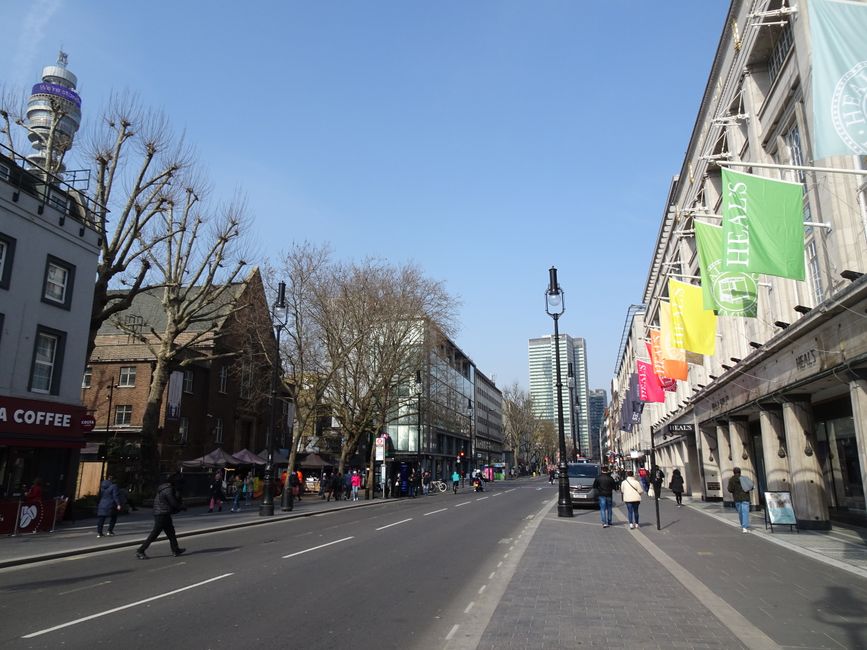
Loading Bay Rules on Tottenham High Road for Tottenham Green Moves
Posted on 05/07/2026
If you are planning a move around Tottenham High Road, the loading bay rules can make the difference between a calm, tidy move and a stressful one with flashing hazards on, nowhere to stop, and a van circling the block. For Tottenham Green Moves, understanding Loading Bay Rules on Tottenham High Road for Tottenham Green Moves is not just a nice-to-know detail; it is one of the practical foundations of a smooth move day.
High road access in North London can be lively, tight, and occasionally a bit unforgiving. A loading bay may look like the obvious answer, but in real life it still needs sensible timing, careful vehicle positioning, and an eye for local restrictions. This guide breaks the whole thing down in plain English, so you know what to plan, what to avoid, and how to keep your move moving.
Before you get into the finer points of bay access, it can help to pair this with broader move planning. Our guide to a seamless house move experience is useful if you want the bigger picture, especially when several moving-day tasks are happening at once.
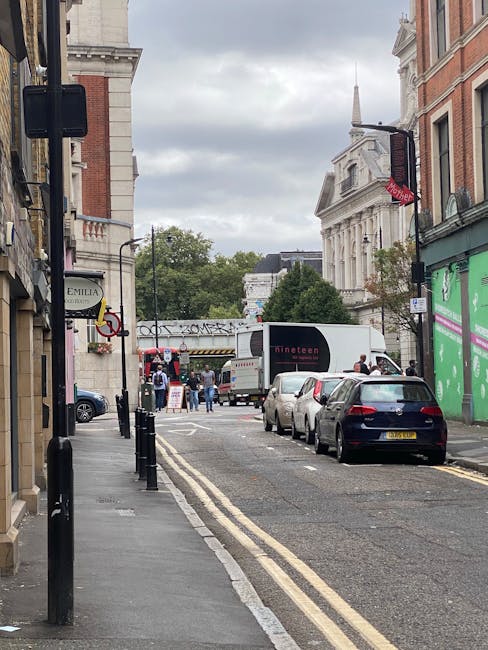
Why Loading Bay Rules on Tottenham High Road for Tottenham Green Moves Matters
Loading bays exist to keep traffic flowing while still allowing essential loading and unloading. Sounds simple, but on a busy street like Tottenham High Road, even a short stop can affect buses, cyclists, other drivers, pedestrians, and the time it takes to carry furniture safely from property to van. That is why the rules matter so much.
For a removal team, the loading bay is often the closest workable stopping point to a flat, maisonette, shop, or office. The closer the vehicle is to the entrance, the less heavy lifting across pavements and kerbs. Less distance means less fatigue, fewer chances of damage, and a lower risk of the whole move drifting off schedule. In our experience, that last bit is the one people underestimate most.
There is also a trust angle here. If a move is arranged properly, the driver is not improvising on the day or making guesses about where to stop. They already know whether a bay is suitable for loading, whether access is realistic, and whether the job needs a backup plan. That level of preparation is especially important if you are booking a man with a van in Tottenham Green for a timed move.
And let's face it: nobody wants to lug a wardrobe halfway down the road because the nearest stopping point was misunderstood. A little planning prevents a lot of muttering under your breath.
How Loading Bay Rules on Tottenham High Road for Tottenham Green Moves Works
Loading bay rules are usually about three things: who may use the bay, for how long, and for what purpose. On a practical level, that means you should think in terms of active loading and unloading rather than waiting, pausing for convenience, or leaving the vehicle unattended for too long.
The exact arrangements on Tottenham High Road can vary by location, time of day, and local restrictions. That is why it is always sensible to check the bay location itself, the roadside signage, and any permit or time-limit conditions before the move starts. A bay near one block may work differently from the next one down the street. Annoying, yes. But that is London.
For Tottenham Green Moves, the most useful approach is to treat the loading bay as part of the move plan, not something to sort out at the kerbside in a hurry. That means confirming:
- whether the bay is operational at your moving time
- whether it is for loading only or shared with other parking controls
- how long the stop can reasonably last
- whether the vehicle size will fit without blocking traffic
- if someone needs to stay with the van while items are moved
If you are also dealing with parking constraints more widely in N15, it is worth reading the local context in Tottenham High Road parking for removals. That article helps set the scene before you get into the details of bay use.
One more point that people sometimes miss: a loading bay does not solve access on its own. If your property has a narrow staircase, a long hallway, or awkward internal turns, the bay only handles the roadside part. The rest still needs careful planning. If your building access is tight, the guide on staircase tips for Tottenham Green moves is a solid companion read.
Key Benefits and Practical Advantages
Used properly, a loading bay can take a lot of pressure out of move day. It is one of those small logistics details that quietly improves almost everything else.
- Shorter carrying distances: This reduces physical strain and speeds up loading.
- Cleaner transfer of items: Fewer steps between property and van means less chance of scuffs, rain damage, or dropped items.
- Better timing: Timed access helps keep crews, landlords, and other people involved aligned.
- Less disruption: A properly managed stop is less likely to upset neighbours or create avoidable congestion.
- Safer handling: When items are moved efficiently, there is less rushing and fewer awkward lifts.
There is also a commercial benefit for anyone comparing removal providers. A team that understands local loading and roadside access is often better prepared overall. That does not mean they are "better" in every sense, but it does mean they have thought about the bits that usually go wrong. Which, to be fair, is half the battle.
If you are weighing up whether to book a small-scale move or a more fully managed service, it may help to browse the broader services overview. That gives you a sense of what kind of support is available for different move sizes and access conditions.
Who This Is For and When It Makes Sense
Loading bay rules on Tottenham High Road matter most to people whose move depends on fast, close access to the front door. That can include flat moves, student moves, small office relocations, furniture-only jobs, and same-day removals where timing is tight.
You are especially likely to benefit if any of these sound familiar:
- You are moving from a flat with limited street access.
- You have large furniture, white goods, or fragile items that need efficient transfer.
- You are moving during a busy weekday window.
- You need the vehicle positioned close to the entrance to reduce carrying time.
- You are coordinating with landlords, building managers, or business staff.
Students often need the simplest version of this planning: quick drop-off, quick collection, no drama. If that sounds like your situation, the student removals in Tottenham Green page may help you think through the pace and scope of the job.
Office moves are a different animal. They tend to involve boxes, IT kit, files, and a lot of people who all want things done yesterday. For that, a focused guide like office removals for Bruce Grove businesses can help you see why loading access needs to be booked with extra care.
Step-by-Step Guidance
If you want the move to feel organised rather than improvised, follow a practical sequence. Not glamorous, but it works.
- Confirm the moving address and likely access point. Know which side of Tottenham High Road matters, where the nearest practical stopping point is, and how far items will need to travel.
- Check the loading bay signs on site. Look for time limits, loading-only wording, and any conditions that change by hour or day.
- Match the vehicle to the access. A larger removal van may be ideal for volume, but not if it causes awkward positioning or slows the operation.
- Build the move around the bay window. Have items packed, labelled, and ready so the time at the kerb is used efficiently.
- Keep a clear lift path. Hallways, stairwells, and doorways should be free of clutter before the van arrives.
- Assign someone to coordinate. One person should keep an eye on timing, another on item flow, and another on the property side if needed.
- Have a fallback plan. If the bay is occupied, blocked, or unexpectedly unavailable, know your alternate stopping strategy in advance.
A surprisingly effective habit is to stage items near the exit before the van turns up. Even 10 minutes of pre-positioning can save a lot of wandering back and forth. It sounds obvious, but you would be amazed how often people forget it once the kettle is still warm and the first box has not yet been taped properly.
For packing order, a practical read like efficient house moving packing advice can help you prepare boxes in a way that makes the loading bay time count.
Expert Tips for Better Results
The best bay use is quiet, controlled, and unhurried. Here are the habits that tend to make the biggest difference.
- Arrive early enough to assess the street. Traffic, roadworks, and parked vehicles can change the plan quickly.
- Keep paperwork and permits accessible. If something needs to be checked, you should not be rummaging through a box of cables to find it.
- Use protected handling for furniture. Blankets, covers, and straps reduce the chance of damage during rapid transfers.
- Separate the fragile and heavy loads. The bay is not the place to discover that a box of books is sitting on top of glassware.
- Plan for weather, even in summer. London drizzle has a way of showing up at the least convenient moment.
Heavy items deserve their own plan. If you are moving anything bulky on your own, this is where experience counts. The article on kinetic lifting basics gives a useful sense of how to move more safely and with better body mechanics. If you are handling heavier pieces, it is also worth reading independent heavy lifting tips before the day arrives.
And if you are moving unusual items, such as a piano, then a loading bay becomes part of a much bigger risk picture. Honestly, that is not a DIY corner worth cutting. The guide on safe piano moves explains why specialist handling matters.
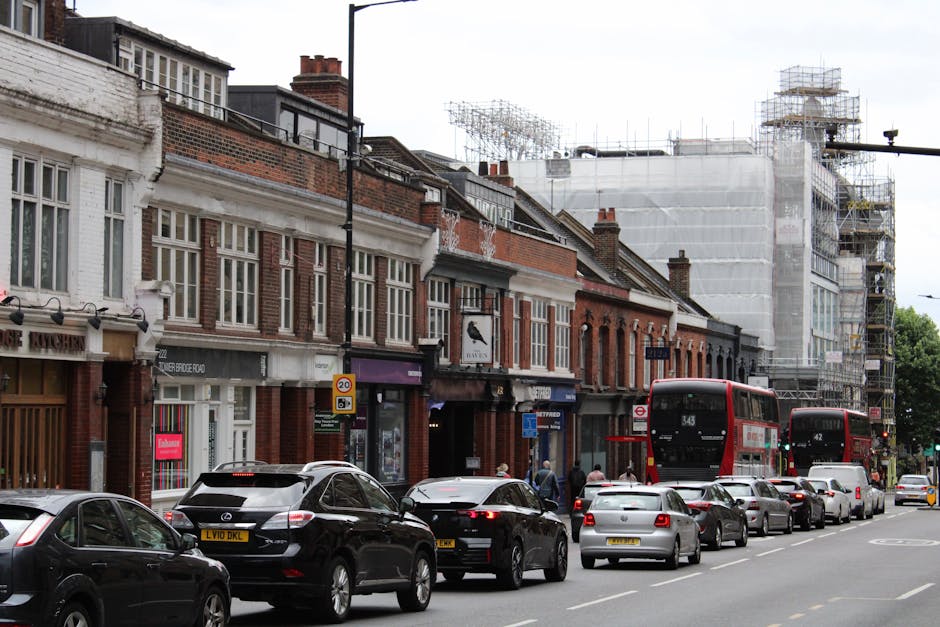
Common Mistakes to Avoid
Most problems with loading bay use come from rushing. That sounds almost too simple, but it is true.
- Assuming the bay is available all day: Time restrictions matter, and they are easy to miss.
- Parking before you are ready to load: If the vehicle is standing there while people are still inside packing, you are wasting the bay window.
- Blocking the wrong lane: A van positioned badly can create more issues than it solves.
- Ignoring internal access: A bay may be perfect, but if the hallway is full of loose boxes, the move still slows down.
- Leaving bulky waste for later: Old shelving, broken boxes, and unwanted items can clutter the route and eat time.
One of the more common errors we see is treating the loading bay like a place to pause and think. It is not. It is a working space. If you need to declutter first, do that before the van arrives. This piece on decluttering before moving is especially useful if you are trying to reduce the number of items that need to be carried in the first place.
Another easy mistake is forgetting about disposal. If your move includes old furniture or awkward waste, the guide to bulky waste handling for Tottenham Green moves is a smart way to avoid clutter building up around the loading point.
Tools, Resources and Recommendations
You do not need a truck full of gadgets to use a loading bay well. What you do need is the right set of simple tools and a decent plan.
| Item | Why it helps | Best used for |
|---|---|---|
| Furniture blankets | Protects wood, paint, and upholstery during short transfers | Sofas, tables, wardrobes |
| Ratchet straps | Keeps loads stable in the van | Appliances, stacked boxes, tall items |
| Hand trolley | Reduces strain and speeds up movement | Heavy boxes, white goods, office supplies |
| Labels and marker pens | Makes unloading faster and more accurate | All room-based packing |
| Floor protection | Helps avoid marks in hallways and entrances | Flats, offices, shared buildings |
For larger home moves, a properly prepared van setup helps a lot. If you are still choosing the right service style, you may want to compare man and van moving support with a more dedicated removal van option. The right choice often comes down to how much you need to load and how tight the access is.
If your move involves long-term storage between addresses, a nearby loading bay can become part of a wider transfer plan. That is where storage in Tottenham Green can be helpful, especially for staged moves. Not every move has to be one giant day. Sometimes it should not be.
And because every move deserves a clean finish, it is worth checking how to leave a spotless home before you move out once the loading is done and the last box has gone.
Law, Compliance, Standards, or Best Practice
In the UK, loading bay use sits inside a broader framework of road and parking controls. That means the practical rule is simple: follow the roadside signs, respect time limits, and use the space for genuine loading or unloading only. If the bay is time-limited, overstay risks are real. If it requires a permit or special arrangement, assume that you need to confirm it in advance rather than on the day.
It is also best practice to keep loading activity visible and active. In plain terms, if someone is using the bay for a move, there should be real movement of goods rather than a van parked there while the team has a long coffee break. Minor thing? Maybe. But enforcement and neighbour complaints tend to care about these details.
Good moving practice also includes safety. That means clear walkways, proper lifting, sensible team size, and vehicles that are not being forced into awkward positions. The health and safety policy matters here because safe loading is not just about the street; it is about the people carrying the items too.
If there is any doubt about damage cover, moving procedures, or how risks are handled, it is sensible to review the insurance and safety information before booking. That is especially true if you are moving expensive furniture, electronics, or delicate items. You do not want to be guessing about that at 8:30 in the morning while a sofa is halfway out the door.
Options, Methods, or Comparison Table
Not every move needs the same loading strategy. Sometimes a bay is ideal; sometimes a short-stay stop nearby is better; and sometimes the move itself needs to be split into phases. The right approach depends on timing, volume, and how busy the road is.
| Method | Best for | Pros | Watch-outs |
|---|---|---|---|
| Loading bay use | Fast, timed loading near the property | Shortest carry distance, efficient transfer | Strict timing and signage checks |
| Pre-booked removal support | Heavier or more complex moves | Better coordination, less manual strain | Requires more planning |
| Staged move with storage | When access is tight or dates do not align | Flexibility, reduced pressure on the day | Extra handling and coordination |
| Same-day move | Urgent relocations with good access | Quick turnaround, simpler timeline | Little room for delay if the bay is unavailable |
If you are comparing move types, the differences matter. A flat move with a single loading bay stop is very different from a business move where equipment, keys, and staff handover all happen at once. The more moving parts, the more important the bay plan becomes. That is why our flat removals and office removals pages can be useful starting points when you are deciding what level of support fits the job.
Case Study or Real-World Example
A typical Tottenham Green move might look like this: a two-bedroom flat off Tottenham High Road, furniture packed the night before, and a removal van booked to arrive first thing. The street is busy by mid-morning, so the team aims to use the loading bay in the quietest possible window.
On arrival, the van is positioned so that the rear doors are close to the building entrance without blocking turning space. One team member checks the route from flat to van. Another keeps the larger items moving. Boxes are labelled in advance, so the kitchen box does not end up in the bedroom pile. Simple stuff, but it saves time.
The main challenge turns out not to be the bay at all, but the narrow internal staircase. A couple of bulky items need careful turning, and one wardrobe has to be dismantled just enough to get through the doorway. Because the loading window is used efficiently, there is no panic. No repeated trips to shuffle the van. No awkward waiting. Just steady work.
That is the real value of understanding loading bay rules: they give the whole move a rhythm. Not perfection. Just rhythm. And on move day, rhythm is gold.
Practical Checklist
Use this checklist before the van arrives. It is not fancy, but it will save you a headache or two.
- Confirm the exact address and loading point.
- Read the bay signage on the day, not just from memory.
- Check timing restrictions and any permit needs.
- Pack fragile items securely and keep them separate.
- Make sure hallways and entrances are clear.
- Prepare furniture blankets, straps, and a trolley if needed.
- Label boxes by room and priority.
- Arrange who will coordinate the roadside loading.
- Have a fallback plan if the bay is occupied.
- Keep valuables, keys, and documents close to hand.
- Set aside bulky waste or unwanted items before the move starts.
- Confirm the final destination access so the unloading side is just as organised.
If you are tackling a full household move, a more detailed prep guide like expert tips for a seamless house move can help you turn this checklist into an actual plan.
Get a free quote today and see how much you can save.
Conclusion
Loading bay rules on Tottenham High Road may sound like a small detail, but they shape the entire flow of a Tottenham Green move. Get them right and the day feels calmer, faster, and safer. Get them wrong and even a well-packed van can end up wasting time at the kerb.
The best approach is simple: check the signage, plan the timing, prepare the property, and keep the loading process active. If you are moving furniture, handling a flat, or arranging an office relocation, that little bit of attention pays off. Every time.
And if the street feels busy or the access looks awkward, that is normal. You are not the first person to deal with it, and you will not be the last. With a clear plan and the right support, the move can still go smoothly, even on a hectic London road.
One careful decision at the bay can make the whole day feel lighter.