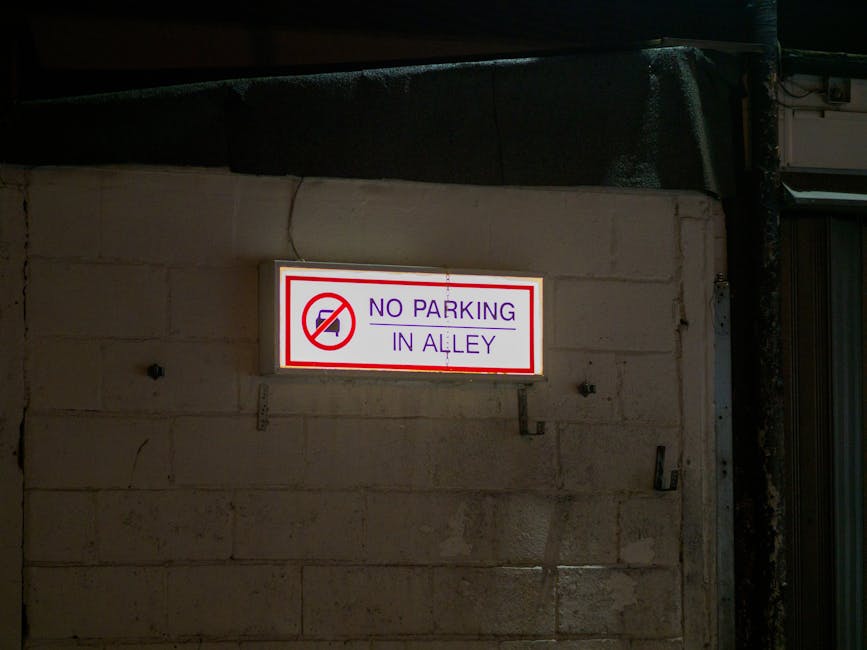
Tottenham High Road Parking for Removals (N15) -- Local Rules
Posted on 06/05/2026
Tottenham High Road Parking for Removals (N15) -- Local Rules: A Practical Guide for a Smoother Move
If you are planning a move along Tottenham High Road, parking can make or break the day. A van that cannot stop close enough to the property means more carrying, more time, more stress, and usually a few extra words nobody wants to hear before lunch. This guide explains Tottenham High Road Parking for Removals (N15) -- Local Rules in plain English, so you can plan a legal, efficient loading point and avoid the common headaches that slow removals down.
Whether you are moving from a flat above a shop, clearing a family home, or arranging a same-day collection, the basics are the same: know the bay types, check restrictions, plan where the van will stand, and build in a little breathing room. A well-planned parking setup keeps the move calm. That's the real trick.
To help with the rest of the moving process, you may also find our guides on efficient house moving packing, decluttering before moving, and a seamless house move experience useful.
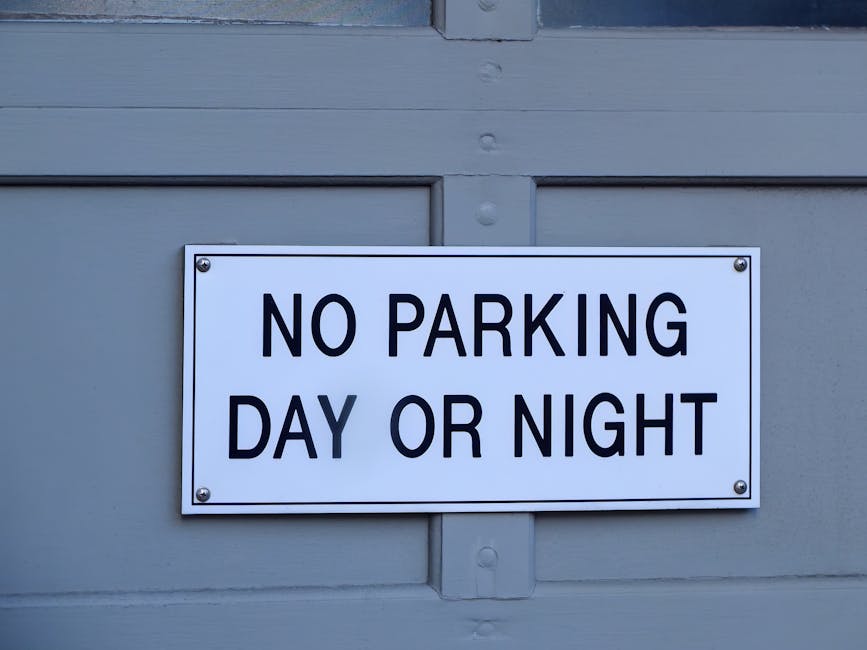
Why Tottenham High Road Parking for Removals (N15) -- Local Rules Matters
Parking is not a side issue on Tottenham High Road. It is often the first practical problem a removal team faces, especially in a busy stretch with mixed-use buildings, busier traffic periods, and a fair bit of competition for kerb space. If the van ends up too far away, the job gets slower and heavier. If it parks somewhere prohibited, the move can become expensive in the wrong way.
For removals, local parking rules matter because they affect three things at once: access, safety, and timing. Good access means items can be loaded quickly without carrying them halfway down the road. Safety matters because removal teams are handling awkward, heavy, and sometimes fragile furniture around passing traffic. Timing matters because even a short delay can ripple through the whole day, particularly if you have a lift booking, an estate agent handover, or a train to catch after keys are returned.
There is also a human reason. When parking is sorted, people relax. You can hear it in the tone of a move. Less shouting, less standing around with boxes on the pavement, less of that slightly panicked look when someone realises the mattress is still on the stairwell and the van is nowhere near. To be fair, a calm loading plan is one of the easiest ways to make a move feel manageable.
For many moves in N15, good parking planning goes hand in hand with a wider move strategy. If you are still deciding what to keep, what to store, and what to move on the day, our article on how to declutter before moving is a useful place to start. Less stuff usually means less parking pressure.
How Tottenham High Road Parking for Removals (N15) -- Local Rules Works
In practice, parking for removals on Tottenham High Road usually comes down to checking the type of road space available and understanding what that space allows. That sounds obvious, but the details matter.
Most streets and main roads in London can include a mix of marked bays, loading restrictions, single yellow lines, double yellow lines, resident permit areas, pay-and-display bays, and some sections that are tightly controlled at certain times. The exact rules depend on the location, the signage, and the relevant local authority controls. So the first rule is simple: do not guess. Read the sign, check the bay markings, and if needed confirm with the council or the relevant local parking information before moving day.
For removals, the key question is not only "Can the van stop here?" but also "For how long, at what time, and for what purpose?" A loading bay may allow short-term stopping for loading or unloading, while other bays may require payment, permits, or time limits. Some restrictions are flexible for active loading, but only if the vehicle is genuinely being used for that purpose and it is within the permitted conditions. That distinction matters.
Another practical point: on a busy road like Tottenham High Road, traffic flow can influence the move almost as much as the parking rule itself. Even if stopping is technically allowed, you still need enough room for the van doors to open safely and for movers to carry items without blocking pedestrians or stepping into live traffic. In a narrow frontage or near a busy parade of shops, a few extra metres of planning can make a surprisingly big difference.
If your move includes a heavier item, like a piano or bulky wardrobe, parking needs become even more important. Those jobs often benefit from specialist handling, which is why our page on piano removals in Tottenham Green and this guide to safe piano moves can be helpful reading before the day arrives.
Key Benefits and Practical Advantages
Getting the parking right does more than avoid a fine. It improves the whole removal process from start to finish.
- Shorter carrying distances: Boxes, appliances, and furniture reach the van faster when it is parked legally and close enough to the property.
- Less risk of damage: Longer carries mean more chances to bump walls, scuff banisters, or drop something awkward on a wet pavement.
- Better time control: A clear loading point helps the job stay on schedule, which matters if building access is time-limited.
- Reduced stress: Everyone works better when there is a clear place to park, load, and move out of the way.
- Improved pedestrian safety: A sensible parking position helps movers avoid awkward traffic interactions and keeps footpaths clearer.
There is also a commercial upside if you are comparing removal options. A team that understands local access, parking, and loading logistics will usually work more efficiently. That can influence overall value, especially for flats, student moves, and short-notice jobs. If you are comparing services, it is worth looking at our services overview alongside the more specific pages for man and van services and house removals.
And yes, sometimes a tiny parking win saves the whole morning. A van parked two doors closer can feel like you've won back half an hour. Not glamorous, but very real.
Who This Is For and When It Makes Sense
This guidance is useful for anyone moving in or out of Tottenham High Road and the surrounding N15 area, but some people will benefit more than others.
- Flat movers: Especially if the property is above a shop or in a block with limited front access.
- House movers: When furniture, mattresses, white goods, and multiple boxes need a legal loading spot.
- Students: Short-term moves often happen quickly, and parking mistakes can throw the whole day off. Our student removals service is built with that in mind.
- Office movers: If you are clearing files, desks, monitors, and IT equipment from a commercial space, timing and access matter even more. See our office removals page for more detail.
- Same-day or urgent moves: When there is less time to arrange everything, parking must be planned early. Our same-day removals service can help with the logistics.
It also makes sense for landlords, letting agents, and property managers who want a move-out to go smoothly. If the parking is thought through in advance, the handover tends to feel cleaner and less chaotic. As someone once said in the middle of a rainy Tuesday move, "The van spot is the difference between organised and absolutely bonkers." Hard to argue with that.
For anyone handling bulky items, this is also where packing choices matter. Good boxing and sensible item preparation reduce the time spent at the kerb. Our packing and boxes service can be a practical help if you want everything ready to go.
Step-by-Step Guidance
Here is a practical way to approach parking for removals on Tottenham High Road without turning the day into guesswork.
- Check the property frontage first. Look at where a van could physically stop without blocking drives, junctions, crossings, bus stops, or essential access points.
- Read every sign on the street. Pay attention to time restrictions, loading notes, resident permit conditions, and any bay-specific rules. One sign can override assumptions from another street nearby.
- Measure the vehicle need, not just the address. A small van, Luton van, or larger removal vehicle will behave very differently on a busy high road. If in doubt, use a van size that matches the item list and the available space.
- Work out the loading direction. Will items come straight from the door to the van, or will they need to be carried around planters, railings, or awkward corners? Those details affect how long the van can remain in place.
- Build a loading window. Even if parking is allowed, give yourself time for arrivals, key collection, lift access, and any last-minute packing. A move rarely runs to the minute. Never does, really.
- Protect the route. Use floor protection, blankets, and sensible carrying techniques to avoid damage on the way from property to vehicle.
- Keep documents and contact details handy. If the mover, landlord, or building manager needs to confirm access, you do not want to be hunting through messages with one hand and holding a kettle with the other.
When your move is more complex than a few boxes and a chair, it helps to combine parking planning with move preparation. Our guide to efficient house moving packing can help you organise the load before moving day, while cleaning before you move out is useful for the handover stage.
Expert Tips for Better Results
Small decisions make a big difference on a busy road. Here are the tips that tend to save the most trouble.
1. Treat parking like part of the move, not a separate task
People often leave parking until the last minute, then wonder why the day feels rushed. In reality, parking affects item handling, timing, and even the sequence of loading. Decide where the van will stand before you start carrying boxes down the stairs.
2. Use the quietest practical loading slot
Tottenham High Road can feel very different from one hour to the next. Early morning and midday windows may not be equally suitable. If your schedule allows, choose a time that reduces traffic pressure and gives you more room to manoeuvre. Not every move can be timed perfectly, of course, but if you have a choice, use it.
3. Split loading into priority groups
Start with the largest and heaviest items, then stack around them. If parking is limited to a short stop, load the items that matter most first. A bed frame, mattress, or fridge should usually not be left until the end. If you are moving a bed, this article on transporting your bed and mattress may save you a lot of fiddling.
4. Keep the van accessible, not just parked
It is easy to focus on legal parking and forget the practical side. Can the rear doors open fully? Can people pass safely? Is there enough room for a trolley or sack truck? Access is the real win, not simply the fact that the van stopped somewhere.
5. Ask about insurance and handling standards
If your items are valuable, awkward, or fragile, check how the mover handles risk and protection. Our insurance and safety page explains the sort of reassurance people usually look for before moving day.
And if you are moving anything heavy yourself, be realistic. A sofa looks much lighter at 9 a.m. than it does on the second landing. For heavier lifting, the right technique matters more than bravado. Our pieces on kinetic lifting basics and safe heavy lifting are worth reading before you decide what to carry alone.
Common Mistakes to Avoid
Most parking problems on moving day are avoidable. The frustrating part is that people usually only discover them once the van is already loaded.
- Assuming a loading stop is automatically allowed. It may not be, or it may be limited by time, signage, or local enforcement patterns.
- Ignoring the difference between bay types. A loading bay, pay-and-display bay, and resident bay are not interchangeable.
- Leaving the van too far away. A long carry can turn a simple move into a tiring one, especially with stairs involved.
- Blocking the pavement. This causes problems for pedestrians, neighbours, and movers trying to maintain a safe route.
- Forgetting building rules. A property may have its own access instructions, lift booking rules, or concierge requirements.
- Not having a backup plan. If your first parking spot is unavailable, know the next best option before the van arrives.
One of the more common mistakes is underestimating how quickly a small delay snowballs. Someone can spend ten minutes looking for a space, then another ten trying to reverse in safely, and suddenly the whole schedule is wobbling. That is where planning pays off.
If you want to reduce the amount of time spent wrestling with furniture, the right removal service matters too. Explore furniture removals for larger items and our broader removal services if you need a more complete solution.
Tools, Resources and Recommendations
You do not need a van full of gadgets to make parking work, but a few simple tools and preparations help a lot.
- Printed move plan: A one-page list of addresses, timings, contacts, and item priorities is surprisingly useful when phones are busy.
- High-visibility communication: A simple hand signal or headset can help when guiding the driver into position.
- Sack truck or trolley: Ideal for quicker loading when the van is close enough and the route is safe.
- Protective blankets and straps: Helpful for securing furniture once loading starts.
- Boxes labelled by room: This makes short loading windows much more efficient.
- Local parking checks: Review street signage and local parking information before the day, not during the move.
For customers who want extra help with the practical side of moving, our man with a van service is a flexible option, while removal van hire can be useful if you already have people to load but need the right vehicle. If you are moving a lot of small items, the help section on packing supplies and boxes may be worth a look.
And for those dealing with short-term storage around a move, especially if parking access means staged loading, our storage services in Tottenham Green can help bridge the gap between old home and new one.
Law, Compliance, Standards, or Best Practice
Parking rules on Tottenham High Road are governed by local traffic controls, road markings, and signage. The exact position on any given day depends on the location and the current restrictions in force, so any removal plan should be based on the actual signs present at the time of the move. If you are unsure, check official local information rather than relying on memory from a previous visit. Parking rules change, sometimes quietly, and sometimes just enough to catch people out.
For removal work, best practice is to park only where the vehicle is permitted to stop, keep loading activity genuine and continuous, and avoid blocking traffic, driveways, crossings, or pedestrian routes. If a loading bay is being used, the vehicle should be used for actual loading or unloading, not left unattended in a way that conflicts with the restriction.
It is also sensible to follow safe manual handling guidance. Heavy lifting should be planned, not improvised. That means using the right number of people, breaking down loads where possible, keeping clear communication, and avoiding awkward carries across busy carriageways. Our health and safety policy and lifting technique guide cover the sort of standards that support a safer move.
If a property has special access rules, lease conditions, or concierge procedures, those should be treated as part of the compliance picture too. The same goes for insurance cover, building protection, and any landlord instructions. The cleaner the paperwork and planning, the less likely you are to face a last-minute disagreement at the kerb.
Options, Methods, or Comparison Table
There is no single best parking setup for every move on Tottenham High Road. The right choice depends on the property, the vehicle, and how much time you have.
| Parking method | Best for | Pros | Watch-outs |
|---|---|---|---|
| Marked loading bay | Quick flat moves, timed loading, commercial areas | Close access, structured stopping, usually efficient | May have time limits or usage conditions |
| Pay-and-display space | When loading bay access is unavailable | Can be convenient if permitted for loading or paid parking | May still have restrictions; check signage carefully |
| Resident or permit-controlled area | Longer stays, residential streets nearby | Sometimes easier near houses or side streets | Permits matter; do not assume visitor access is enough |
| Pre-arranged access with building manager | Flats, offices, managed blocks | Can reduce confusion and speed up the handover | Requires advance coordination and timing discipline |
If you are still deciding which approach fits your move, think about what you are moving rather than just where you are moving from. A few boxes and a desk lamp need a very different setup from a full family house or a commercial office clearance. Commercial buildings often benefit from planning that links access, parking, and timings together, which is why some customers prefer a structured provider such as our removal companies page when comparing options.
Case Study or Real-World Example
Here is a typical scenario from a Tottenham High Road-style move. A first-floor flat above a retail unit needs to be cleared by late morning. The tenant has a sofa, bed, two wardrobes, a washing machine, and around twenty boxes. The front of the property is busy, with limited stopping space and regular passing traffic.
Instead of arriving and hoping for the best, the move is planned in stages. The van arrives slightly earlier than the loading window, a legal stopping point is identified in advance, and the heaviest items are placed closest to the van doors first. Boxes are sorted by room so nothing is left lying in the hallway while someone disappears looking for tape. The sofa is wrapped properly, the mattress is protected, and the team keeps a clear line from the doorway to the vehicle.
The result? Less backtracking, less strain, and no awkward scramble to find a parking spot mid-move. Nothing magical. Just planning.
This is also where good preparation outside the parking issue helps. A tidy flat, fewer unwanted items, and a sensible packing order all reduce the pressure on parking and loading. If you have bulky soft furnishings to protect or store, our article on couch storage protection can help, and for appliances, the piece on keeping a freezer in good condition while unused is a useful read.
Practical Checklist
Use this checklist before moving day. It is simple, but it catches a lot of avoidable problems.
- Confirm the moving date, arrival time, and loading window.
- Check the exact street restrictions and signs near the property.
- Identify a legal place for the van to stop.
- Ask whether the building has its own access rules or lift booking system.
- Measure large items and decide what needs dismantling.
- Prepare protective materials, straps, and a trolley if needed.
- Label boxes by room and priority.
- Keep keys, contact numbers, and payment details easy to find.
- Plan a backup parking option nearby.
- Walk the route from property to van before the heavy lifting starts.
Expert summary: if the van can park legally, load safely, and leave without a scramble, you are already most of the way to a successful move. The rest is just sensible execution, and a bit of patience.
Get a free quote today and see how much you can save.
Conclusion
Tottenham High Road parking for removals is really about one thing: making the move work in the real world, not just on paper. The road is busy, access can be tight, and the difference between a smooth move and a stressful one often comes down to where the van can stop, how long it can stay there, and how well the loading plan matches the street conditions.
If you check the restrictions early, choose the right vehicle, prepare your items properly, and keep the loading route clear, you give yourself a much better day. That is true whether you are moving a single room, a family home, or a full office. And if you need help beyond parking, our broader removals service is there to make the practical side easier.
Move carefully, plan kindly, and do not be afraid to give yourself a little extra time. It's usually the best decision on the street.