Bulky Waste Handling for Tottenham Green Moves
Posted on 10/06/2026
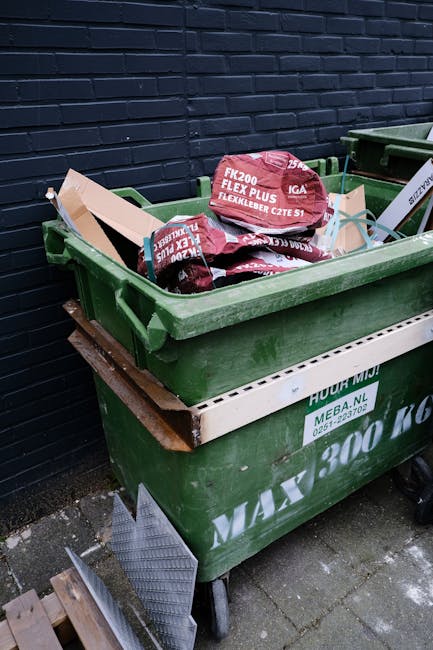
Bulky Waste Handling for Tottenham Green Moves: A Practical Guide for Safer, Cleaner, Easier Relocations
Moving in Tottenham Green is busy enough without a broken wardrobe, an old mattress, or a fridge you no longer want taking over the hallway. Bulky Waste Handling for Tottenham Green Moves is really about making the move simpler, safer, and less stressful by dealing with large unwanted items in a sensible, organised way. If you are downsizing, clearing a flat, or getting a family home ready for a new start, the heavy stuff tends to be what slows everything down. This guide breaks down what bulky waste handling means, how to do it well, and how to avoid the usual last-minute scramble.
There is a proper way to handle bulky waste, and a rushed way. One keeps the move moving. The other creates blocked doorways, scratched walls, and that slightly dreadful feeling at 8:15 on a moving morning when everyone is standing around a sofa that no longer fits through the stairwell. Let's keep it straightforward, practical, and local.
Why Bulky Waste Handling for Tottenham Green Moves Matters
Bulky waste handling is the part of moving that deals with large, awkward, non-standard items: old sofas, bed frames, broken shelving, white goods, office chairs, garden bits, and the "we'll sort that later" pile that somehow became the biggest pile in the house. For a Tottenham Green move, it matters because space is often tight, access can be awkward, and timing is rarely generous.
In real life, bulky items affect the whole moving day. They can slow loading, increase the risk of damage, and make a small van feel much smaller than it is. They can also waste money if you pay to transport something you should really have removed beforehand. Truth be told, a lot of stressful moves are not caused by the move itself, but by what is left unsorted at the edges.
It also matters for safety. Heavy and oversized items are not just inconvenient; they are the things most likely to catch on door frames, slip on stairs, or tip unexpectedly. If you have ever tried to drag a sofa over a threshold at a slight angle while someone shouts "pivot!" from behind, you will know exactly what I mean.
For people preparing with other moving tasks, this connects naturally with decluttering before moving, because the fewer unwanted large items you keep, the easier the whole relocation becomes. It also links well to getting the property ready before you leave, especially when end-of-tenancy standards matter.
How Bulky Waste Handling for Tottenham Green Moves Works
At a practical level, bulky waste handling is a decision-making process. You look at each large item and ask: should it be kept, sold, donated, stored, dismantled, moved, or removed as waste? That sounds obvious, but people often skip this step and only make the decision when they are halfway down the stairs with a mattress wedged in the landing. Not ideal.
A good process usually starts with sorting. Separate items into categories such as:
- keep and move
- dismantle before moving
- store temporarily
- recycle or donate
- dispose of as bulky waste
Once sorted, the next step is access planning. Tottenham Green moves can involve narrow staircases, shared entrances, tight corners, controlled parking, or awkward loading bays. That means the route matters almost as much as the item itself. A large wardrobe that looks manageable in a bedroom can become a serious problem at the front door.
After that comes preparation. Items should be emptied, cleaned, and made safe for handling. Freezers need special care if they are being kept unused for a while, and there is helpful guidance on keeping a freezer in good condition while unused. Sofas and couches benefit from wrapping and corner protection, which is where advanced couch protection for storage becomes useful.
Finally, there is the actual movement or collection. Some items can be carried out in one piece. Others need dismantling first. Some should never be shifted without proper lifting method, team support, or specialist equipment. The main thing is to match the method to the item, not the other way around.
Key Benefits and Practical Advantages
Bulky waste handling is not just about disposal. Done well, it improves the entire move. You notice the difference in the first hour.
1. Faster moving day
When large unwanted items are removed early, loading is cleaner and quicker. The van is used for what actually needs to go. There is less shuffling around, fewer delays, and far fewer "we forgot about that bit" moments.
2. Lower risk of damage
Oversized furniture can damage floors, walls, banisters, and door frames. Even a small knock leaves a mark. Handling bulky items properly reduces that risk and protects both the old and new property. It is a simple trade: a bit more planning now, fewer repair headaches later.
3. Better use of space
Space is precious in removals. If you remove what you no longer need, you often reduce the number of trips, the size of vehicle required, or the amount of time spent loading. That can make a proper difference, especially in flats or homes with limited access.
4. Safer lifting and carrying
Heavy, awkward items are where injuries happen. Good handling practices reduce strain, especially when you combine them with the basics of safe movement covered in kinetic lifting basics and independent heavy lifting techniques.
5. Cleaner handover
For renters and sellers, clearing bulky waste helps present the property properly. A bare, tidy room feels completely different from one still holding an old bed base and two broken chairs. It matters more than people think.
Who This Is For and When It Makes Sense
This kind of handling is useful for almost anyone moving in Tottenham Green, but it is especially relevant in a few common situations.
- Flat movers dealing with stair access, narrow landings, or limited lift space
- Families replacing larger furniture and not wanting to move redundant items twice
- Students leaving furnished accommodation with mixed items to sort out
- Office movers clearing desks, chairs, filing units, and old equipment
- People in storage transitions who need to decide what is worth keeping long term
- Last-minute movers who have been left with more large waste than time
It makes sense whenever the item is too bulky for normal bins, too awkward to move casually, or not worth the effort and cost of relocating. A good rule of thumb is this: if an item needs two people, a plan, and possibly a nervous pause at the doorway, handle it properly rather than improvising.
For people dealing with mixed household items, efficient packing guidance can help keep the moving side separate from the bulky-waste side. If your move also involves a bed or mattress, bed and mattress transport advice is a useful companion read.
Step-by-Step Guidance
Here is the practical version. No fluff.
- Walk through every room. Start at the top of the property and work down. List every large item you may need to move, remove, dismantle, or store.
- Decide the fate of each item. Keep, donate, sell, recycle, store, or dispose. If you hesitate for more than a minute, ask whether the item is truly worth the effort.
- Measure the awkward bits. Doors, hallways, stair width, lift openings, and tight turns matter. This is where a sofa can go from "fine" to "absolutely not."
- Check if dismantling helps. Beds, wardrobes, shelving, and some desks move better in sections. Keep screws, bolts, and brackets in labelled bags.
- Protect surfaces. Use blankets, tape, corner guards, or wraps where appropriate. Do not drag anything across floors unless you are very fond of scratches.
- Schedule the removal at the right time. Bulky waste should ideally leave before or alongside the main load, not after the van is packed and the team is exhausted.
- Use the right lifting method. Bend through the legs, keep the item close, and avoid twisting under load. If you are not confident, stop and reset.
- Separate recyclable material from landfill waste. Metal, untreated wood, and some appliances may follow different disposal routes depending on condition and local collection options.
- Do a final sweep. Check corners, under beds, behind doors, and inside storage spaces. The forgotten item is nearly always the one that creates the most annoyance.
A small practical note: label the bulky items that are staying, too. One wrong assumption and a good chair can disappear into the "waste" pile. That happens. More than it should.
Expert Tips for Better Results
Here is where a little experience saves a lot of pain.
Start bulky waste decisions earlier than you think. People tend to leave the hard items until the final week. That is the opposite of what works. Large items take the most effort to move on, so they should be reviewed first.
Keep the main route clear. If hallways are full of bags, boxes, and half-disassembled furniture, the moving team has to work around them. It slows everything down and increases the risk of something catching or toppling.
Use storage as a pressure valve. Not everything has to be solved on move day. If an item has value but no immediate home, temporary storage can be the calm middle ground. That is where storage in Tottenham Green can be a sensible option.
Don't underestimate access in Tottenham Green. A route that looks fine on paper may still be difficult in practice because of parked cars, low walls, narrow entrances, or stair turns. For local access-sensitive moves, the advice in narrow access tips for Broadwater Farm moves is relevant in spirit even if your property is elsewhere nearby.
Use the weather intelligently. Wet pavements, drizzle, or a damp morning can change grip and handling. A cardboard box on a wet step is a nuisance. A heavy item on a wet step is a risk. Different thing entirely.
Keep one person focused on route control. In a small move, one person carrying and one person guiding is often safer than two people both trying to "help" at once.
Plan parking and timing. Where parking is tight, the moving day can unravel quickly. If your route includes busy local roads, it is worth checking practical parking considerations like those covered in Tottenham High Road parking advice for removals.
Common Mistakes to Avoid
There are a few mistakes that keep coming up. They are common because they seem harmless right up until they are not.
- Leaving bulky waste until the final hour. This is the classic one. It turns a manageable job into a rush.
- Guessing the size of the item. "It'll fit" is not a measurement.
- Trying to move heavy items without a plan. If you have not checked route, grip, and weight balance, you are improvising with your back.
- Forgetting to empty items first. Drawers, cupboards, fridges, and storage units need to be cleared before they move.
- Not separating what can be reused. Good furniture should not be treated like rubbish if it can still serve someone else.
- Ignoring building access rules. Shared entrances, lifts, and loading areas often have conditions that affect timing and movement.
- Choosing the wrong vehicle or team size. If the plan is too small for the load, the whole day gets stretched out.
There is also a hidden mistake: emotional delay. People keep one bulky item because they feel bad letting it go, even though they have not used it in years. That is human enough. But the move then carries the emotional baggage of a broken chair. Not worth it, to be honest.
Tools, Resources and Recommendations
You do not need a warehouse of specialist kit, but a few simple tools make bulky waste handling much easier.
- Removal blankets for surface protection
- Ratchet straps or tie-downs for keeping larger items stable in transit
- Dollies or sack trucks for items with suitable bases and stable weight distribution
- Work gloves for grip and general hand protection
- Labels and marker pens for sorting screws, panels, and parts
- Plastic wrap or furniture covers for dust and scuff protection
- Basic tools for dismantling beds, frames, and shelving
On the planning side, a move goes more smoothly when you combine bulky-waste sorting with wider removal preparation. That might mean reading tips for a smoother house move or using removal support in Tottenham Green if you want the job handled in one coordinated flow.
If the items are furniture-heavy rather than purely waste, it can help to compare options with furniture removals in Tottenham Green and broader removals services. Sometimes the smartest move is to split the job between useful transport and responsible disposal.
Law, Compliance, Standards, or Best Practice
Bulky waste handling in the UK should always be approached with sensible care and lawful disposal habits. The exact method depends on the item, its condition, and the type of waste involved. In plain English: do not leave large items outside without checking how they should be collected or handled. Fly-tipping rules are taken seriously, and bulky items abandoned in the wrong place can create problems for everyone.
Best practice is to use legitimate disposal routes, separate recyclable materials where possible, and keep waste handling tidy and traceable. If items contain electrical parts, refrigerants, or hazardous components, they need more care than a standard chair or wardrobe. Appliances are a good example. A fridge or freezer cannot just be treated as any other object, which is why planning matters. If an appliance will be stored or kept unused during the transition, the right preparation protects both the item and the property.
There is also a safety standard to think about. Even without quoting formal regulations, the general expectation in removal work is clear: minimise manual handling risks, avoid unsafe solo lifts, and use proper equipment where the load or access demands it. For company-level reassurance, it can help to review pages such as health and safety policy information and insurance and safety details before booking any moving support.
If sustainability matters to you, bulky waste is one of the clearest places where the greener decision is often the better organised one. Recycling, reuse, and careful sorting reduce waste and keep decent items in circulation. That is simply better practice, and in a city move, it really shows.
Options, Methods, or Comparison Table
Not every bulky item needs the same approach. Here is a simple comparison that helps you decide.
| Method | Best for | Pros | Watch-outs |
|---|---|---|---|
| Move as part of the main load | Items you definitely want to keep | Simple, direct, fewer handovers | Takes space; may need protection and extra labour |
| Dismantle before moving | Wardrobes, bed frames, shelving | Easier access, less strain, often safer | Requires tools, time, and careful labelling |
| Temporary storage | Valuable items without an immediate destination | Buys time, reduces pressure on move day | Extra cost and one more step later |
| Reuse or donate | Usable furniture and appliances | More sustainable, less wasteful | Condition needs to be acceptable and logistics arranged |
| Bulky waste disposal | Broken, worn-out, or unwanted items | Clears space properly | Must be handled lawfully and carefully |
In many Tottenham Green moves, a mixed approach is best. One sofa goes to the new flat, one cabinet goes to storage, and the battered bedside table finally exits the stage. That balance is normal.
Case Study or Real-World Example
A typical local scenario goes like this. A couple moving from a two-bedroom flat in Tottenham Green had a heavy wardrobe, an old mattress, two broken dining chairs, and a chest freezer they were no longer using. At first, everything was going to be loaded into the van and sorted "later." That later, of course, would have been the worst possible time.
Instead, they spent an evening reviewing each item room by room. The wardrobe was dismantled, the mattress was separated for proper transport, the broken chairs were set aside for disposal, and the freezer was checked so it could be handled safely. They also cleared the hallway before moving day and measured the stair turn, which saved a fair bit of drama.
On the day itself, the move felt calmer. The load was lighter, the route was clearer, and the team spent less time wrestling with awkward objects and more time simply doing the job. The couple said the best part was not just that the bulky waste disappeared, but that the flat felt properly finished. There is a real emotional lift in that. A room with no old clutter feels different. Quieter, maybe. Cleaner in the head as well as the space.
That is the hidden value of good bulky waste handling: you are not only removing things, you are reducing friction.
Practical Checklist
Use this checklist before moving day. It keeps the bulky stuff under control.
- Walk every room and list all bulky items
- Decide what stays, goes, stores, or gets dismantled
- Measure doorways, stair turns, and lift access
- Empty drawers, cabinets, fridges, and storage units
- Bag screws, bolts, and fittings in labelled packs
- Protect floors, walls, and corners before movement starts
- Separate reusable items from true waste
- Check parking and loading access for the moving vehicle
- Confirm whether specialist handling is needed for heavy or fragile items
- Keep a final sweep for forgotten bulky items in cupboards, lofts, and sheds
Expert summary: the best bulky waste strategy is usually the one that starts early, reduces what you carry, and fits the property you are actually moving through. Small plans save big headaches. It's that simple, even if the actual day is never perfectly simple.
If you are still shaping the move itself, you may also find man and van support in Tottenham Green or same day removals useful when time is tight. For people in different living setups, flat removals, house removals, and office removals each come with slightly different bulky-waste priorities.
Conclusion
Bulky waste handling for Tottenham Green moves is really a planning skill. Once you treat large unwanted items as part of the move rather than an afterthought, everything gets easier: access, loading, safety, timing, and even how the property feels when you leave it behind. You do not need a perfect system. You just need a sensible one.
The best results come from early decisions, careful lifting, and honest sorting. Keep what matters, store what still has a role, and remove what is only getting in the way. A move feels much lighter when the heavy clutter is no longer dragging it down.
Get a free quote today and see how much you can save.
And if you are doing this in Tottenham Green, a little local know-how goes a long way. The small details matter here, perhaps more than people expect. Handle the bulky bits well, and the rest of the move has room to breathe.